Summary:
After 35, your body loses muscle mass, recovers more slowly, and becomes more vulnerable to joint stress. Strength training — done with proper form, progressive overload, and adequate recovery — is one of the most effective ways to stay injury-free and mobile long-term. Working with a personal trainer ensures your program is tailored to your body’s specific needs. Bayshore Fit in Tampa offers expert coaching and recovery amenities to help you train smarter, not just harder.
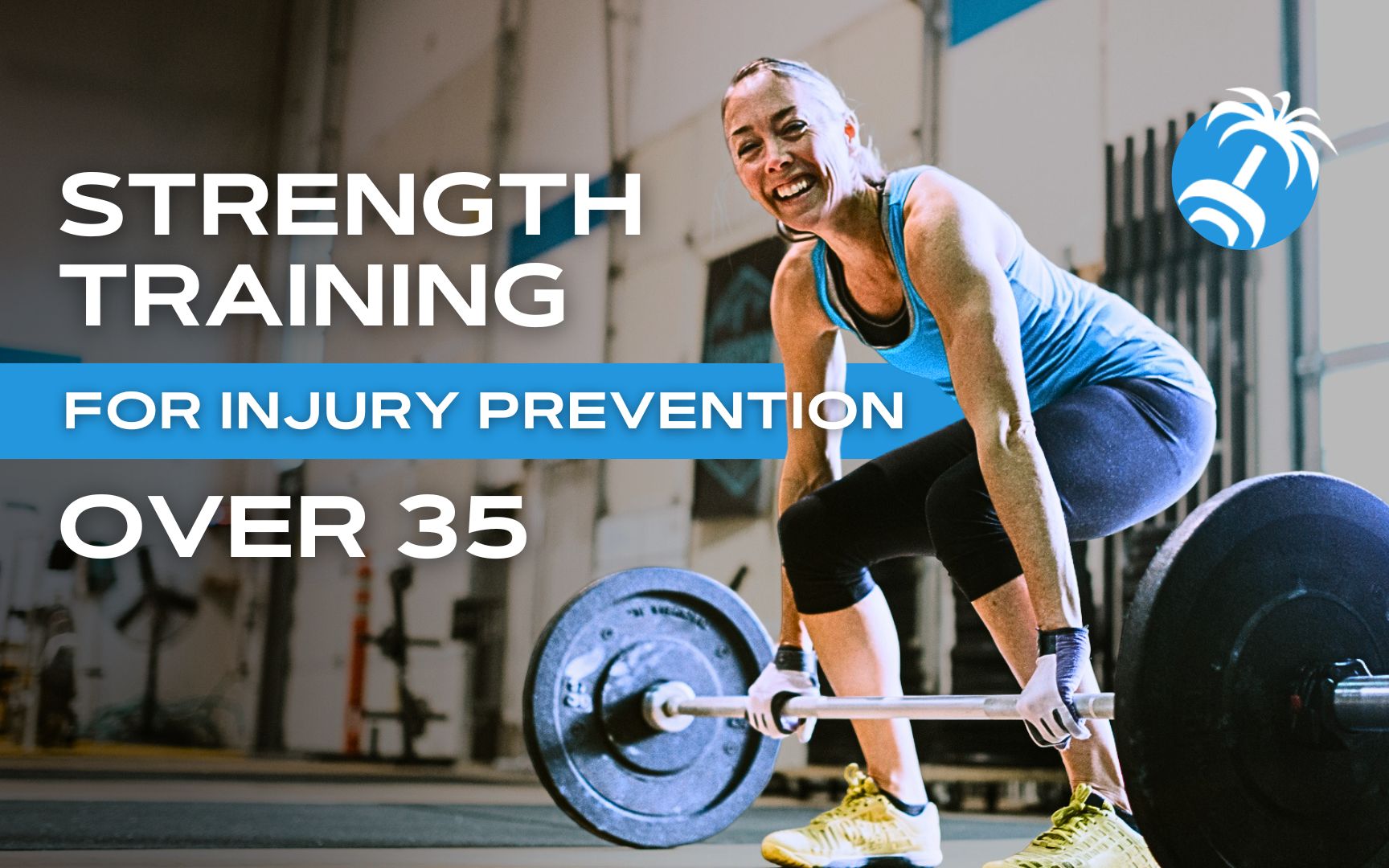
Staying active after 35 is not about slowing down. It’s about training with more intention. As your body changes with age, factors like muscle loss, joint stress, and longer recovery times can increase the risk of injury. The good news is that with the right approach, strength training can help you stay strong, mobile, and resilient for years to come.
Below, we’ll explore how your body evolves over time and the training principles that support long-term health. We’ll also examine how strength training in Tampa at Bayshore Fit can help you get more out of every workout.
Why Your Body Changes After 35 — and What to Do About It
Your mid-30s often come with a lot of positives. You may feel more confident in your routines, more intentional with your time, and more focused on long-term health. At the same time, your body can start to respond differently to workouts. Several physiological changes occur with age, each affecting how your body handles exercise and recovery:
- Muscle loss (sarcopenia): The body begins losing muscle mass in your 30s or 40s, leading to decreased strength and a higher risk of injury.
- Joint health changes: Cartilage can wear down over time, which means joints may become less resilient to repetitive stress.
- Slower recovery: The body’s ability to repair muscle tissue and recover from workouts naturally declines with age.
Age-related changes can increase the risk of injuries such as lower back strain, shoulder impingement, knee pain, tendonitis, and muscle strains. These injuries can also be linked to poor form, muscle imbalances, or programs that don’t align with your body’s current needs.
Fortunately, strength training helps address these issues. When paired with mobility and flexibility work, it builds muscle, supports joint stability, and corrects imbalances.
Strength Training Principles That Protect Your Body
Strength training after 35 requires a more strategic approach. The goal is not just to build strength, but to support joint health, improve movement quality, and reduce the risk of injury over time. Here are a few core principles:
- Progressive overload done safely: Gradually increasing weight, reps, or intensity is essential for building strength, but it should be done with proper form and control. Small, consistent progress helps avoid unnecessary strain and overuse injuries.
- Compound vs. isolation movements for longevity: Compound exercises like squats, deadlifts, and presses engage multiple muscle groups and improve overall stability and coordination. Isolation movements can then be used to target specific muscles and correct imbalances, creating a more balanced and resilient body.
- Rest and recovery: Recovery is where progress happens. Allowing adequate rest between workouts, prioritizing sleep, and incorporating recovery strategies helps muscles repair and reduces the risk of fatigue-related injuries.
Putting these principles into practice can make a significant difference, but knowing how to apply them correctly is key. That’s where personal training in Tampa comes in.
5 Signs Your Current Training Plan Isn’t Built for Longevity
Not every workout program accounts for the demands of training after 35. If any of the following sound familiar, it may be time to reassess your approach:
- You’re dealing with nagging joint pain that doesn’t go away between sessions.
- Your progress has plateaued despite consistent effort.
- You’re skipping warm-ups or mobility work due to time constraints.
- Your program is the same one you followed in your 20s.
- You’re training without any guidance on form or technique.
Recognizing these patterns early can help you course-correct before a minor issue becomes a serious setback.
Why Working With a Personal Trainer Makes All the Difference
Building strength after 35 often requires more than following a general workout plan. Changes in mobility, recovery, and muscle balance mean that how you train becomes just as important as what you do. A qualified trainer brings a personalized approach to every session, ensuring your workouts align with both your body’s needs and your long-term goals. Key benefits include:
- Correcting movement patterns: Trainers identify improper form, muscle imbalances, and compensations that can lead to injury, then guide you through proper technique for safer, more effective workouts.
- A focus on longevity: Programs are designed with long-term health in mind, emphasizing joint stability, mobility, and sustainable strength rather than short-term intensity.
- Personalization for your body: Instead of following a generic plan, your program is tailored to your fitness level, goals, and any limitations, helping you progress in a way that works for you.
Looking for gyms with personal trainers in Tampa that focus on more than just workouts? Bayshore Fit offers a results-driven, supportive environment designed to help you build strength safely and sustainably.
Frequently Asked Questions
Is it safe to start strength training after 35 if I’ve never trained before? Yes. In fact, starting strength training at any age offers significant health benefits. The key is beginning with lighter loads, focusing on movement quality, and progressing gradually. Working with a personal trainer is especially valuable for beginners, as it ensures you build a strong foundation and reduces the risk of early injury.
How many days per week should I strength train after 35? Most fitness professionals recommend two to four days of strength training per week for adults over 35. This frequency allows enough stimulus for muscle growth and strength gains while leaving room for adequate recovery between sessions — which becomes increasingly important as you age.
What is the biggest mistake people over 35 make in the gym? One of the most common mistakes is following the same high-volume, high-intensity programs they used in their 20s without accounting for longer recovery needs and changing mobility. Prioritizing form, incorporating mobility work, and allowing sufficient rest are essential adjustments for sustainable, injury-free training.
How does strength training specifically reduce injury risk? Strength training builds the muscle tissue and connective strength that support your joints during daily movement and physical activity. Stronger muscles absorb force more effectively, reducing stress on cartilage and tendons. A well-structured program also corrects muscle imbalances that are a leading cause of chronic injury.
Strength Training in Tampa at Bayshore Fit
If you want extra support for your fitness journey, Bayshore Fit has you covered. With expert coaching and recovery-focused amenities, our approach goes beyond traditional training to support long-term health and performance.
In addition to personalized strength training, we offer state-of-the-art recovery tools. Members have access to a cold plunge, infrared sauna, and a dedicated recovery room, all designed to keep you performing at your best. Explore Bayshore Fit memberships today and experience the benefits of strength training in Tampa!
Bayshore Fit is a premier fitness community in South Tampa offering expert-led training, group classes, and recovery services. Their blog shares practical fitness, recovery, and wellness insights to help members build strength, improve performance, and stay active for life.