Summary
- Cold water triggers an immediate nervous system response, spiking norepinephrine and dopamine while constricting blood vessels to fight inflammation.
- Regular cold plunges reduce muscle soreness and speed up recovery between training sessions, which is why serious gym-goers keep coming back to it.
- Timing matters. Cold exposure works differently depending on whether you use it before or after training, and doing it right after heavy lifting can actually work against your goals.
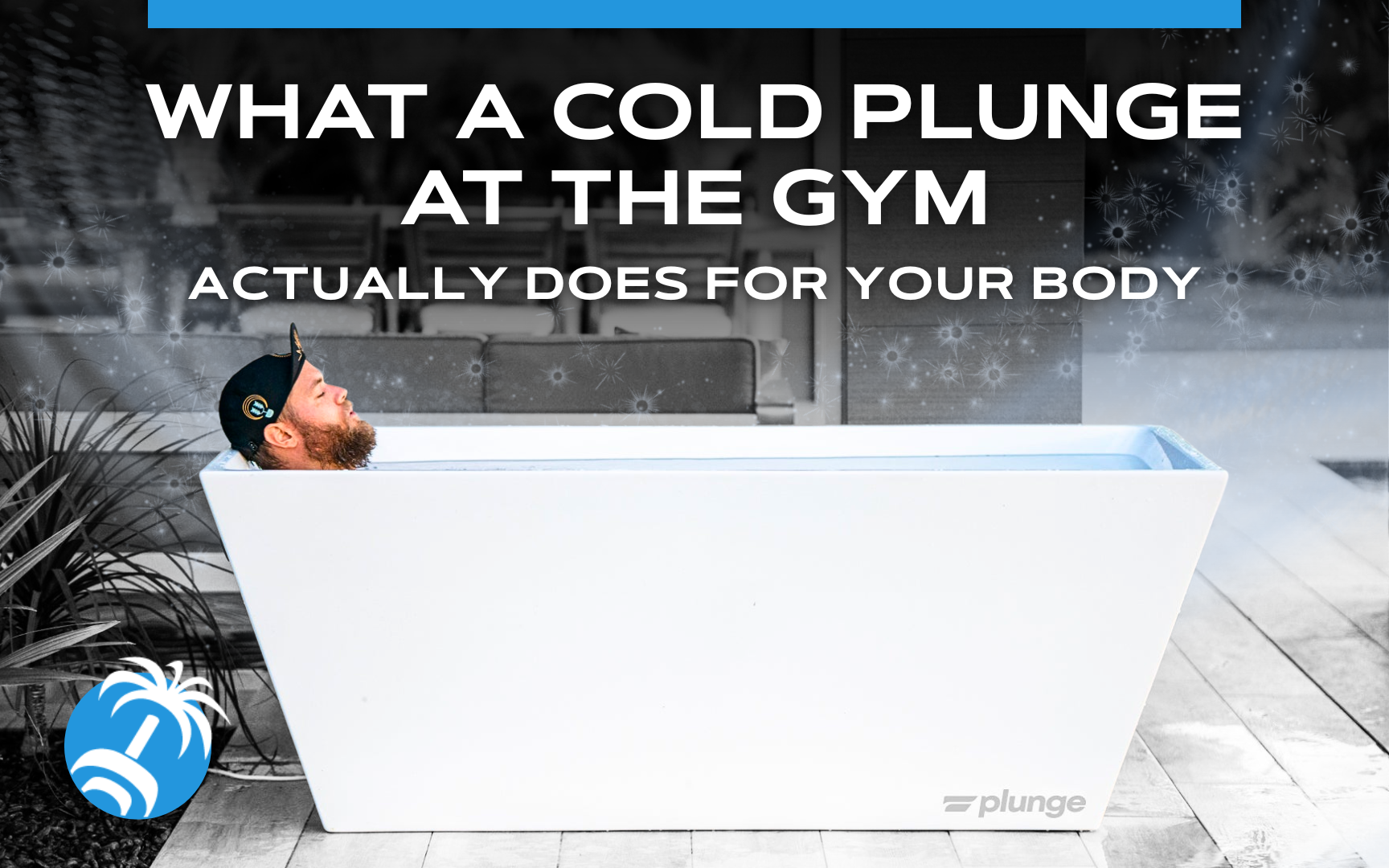
You’ve probably seen someone at the gym climb into a tub of water cold enough to make their breath catch, hold it together for a few minutes, and climb back out looking oddly satisfied. It’s not just for show. Cold plunging triggers a chain of real physiological responses that affect your nervous system, your circulation and how your body recovers between workouts. Here’s what’s actually happening under the surface, and how to use it well.
Your Body on Cold Water: What Happens the Moment You Step In
The second cold water hits your skin, your body reacts fast. This isn’t a slow warm-up like easing into a workout. It’s an immediate shock response, and that’s exactly what makes it effective.
The Nervous System Response (Norepinephrine and Dopamine)
Cold exposure sets off a surge in norepinephrine, a hormone and neurotransmitter tied to alertness and focus, along with a documented increase in dopamine that can stay elevated well after you’ve gotten out of the water. That’s part of why people describe feeling sharp, even a little euphoric, once the initial shock passes.
Blood Vessel Constriction and What It Means for Inflammation
Cold temperatures cause vasoconstriction, meaning your blood vessels narrow and blood flow redirects toward your core to protect vital organs. This same mechanism is what helps limit swelling and inflammation around stressed or damaged muscle tissue after a hard training session.
Why the Discomfort Is the Point
If a cold plunge felt comfortable, it wouldn’t be doing much. The stress response is the mechanism, not a side effect to push through. Learning to stay calm while your body wants to panic is part of what makes cold exposure valuable, both physically and mentally.
The Recovery Benefits That Keep Serious Gym-Goers Coming Back
The nervous system spike is only half the story. The real reason cold plunging has stuck around at serious gyms is what it does for recovery over time.
Reducing Delayed-Onset Muscle Soreness (DOMS)
Studies on cold water immersion consistently show a reduction in perceived muscle soreness in the 24 to 72 hours after intense exercise. That’s the window when DOMS usually peaks, and it’s exactly when a lot of people skip their next session because they’re too sore to move well.
Faster Turnaround Between Training Sessions
Less soreness means you can get back to training sooner without dragging through a workout at half intensity. For people training multiple times a week, that turnaround adds up fast.
Sleep Quality and the Parasympathetic Effect
After the initial jolt fades, cold exposure tends to shift the body toward a parasympathetic state, the “rest and digest” side of your nervous system. Many regular plungers report falling asleep faster and sleeping more soundly on the days they cold plunge, which matters just as much for recovery as the workout itself.
Cold Plunge Timing: Before Your Workout, After, or Both?
This is the part most people actually want answered before they try it, and the honest answer is that it depends on your goal.
Post-Workout Plunge for Recovery
For general recovery, reducing soreness, and calming down after a hard session, a plunge right after training is the most common approach and the one most of the research above is based on.
Pre-Workout Cold Exposure for Heat and Endurance Training
Some endurance and heat-training athletes use a brief cold exposure before training to precool the body, which can help delay overheating during long or high-intensity sessions in hot conditions.
One Important Note for Strength and Muscle-Building Goals
If building muscle and strength is your main goal, timing matters more than people realize. Research on cold water immersion has shown that plunging immediately after resistance training can blunt some of the muscle-building signaling your body needs to adapt and grow. If hypertrophy is the priority, it’s worth separating your lift from your plunge by a few hours, or saving the cold plunge for a separate recovery day.
The Practical Answer: How Long and When
Most people do well with 2 to 5 minutes in water between 50 and 59 degrees Fahrenheit. If you’re chasing muscle growth, plan your plunge away from your lifting window. If you’re chasing recovery, soreness relief, or better sleep, right after training works fine.
Why Accessing a Cold Plunge at the Gym Makes a Real Difference
Knowing the science is one thing. Actually using cold exposure consistently is another, and that’s where having it built into your gym changes the equation.
Temperature Control and Consistency
A cold plunge gym in Tampa should be able to keep the water at a consistent, controlled temperature every time you show up. That consistency matters, since the effects described above depend on the water actually being cold enough to trigger them.
Built Into Your Routine, Not an Extra Trip
When the plunge is right there after your workout, you’re far more likely to actually use it. Trying to bolt on cold exposure as a separate errand, ice bath at home, or weekend appointment rarely lasts.
The Accountability Factor
Training alongside other people who plunge regularly makes it a lot easier to get in the tub on the days your motivation is low. It stops being a personal willpower test and starts being part of what everyone’s already doing.
Cold Plunge at Bayshore Fit in South Tampa
If you’ve been curious about what a cold plunge actually does but haven’t pulled the trigger, Bayshore Fit makes it easy to find out. Our cold plunge is temperature-controlled, available every day you train, and built right into your recovery routine, not an extra stop across town. Whether you’re chasing faster recovery, better sleep, or just want to see what all the hype is about, our team can help you figure out where it fits into your training. Explore membership options today and add the plunge to your routine.
Bayshore Fit is a premier fitness community in South Tampa offering expert-led training, group classes, and recovery services. Their blog shares practical fitness, recovery, and wellness insights to help members build strength, improve performance, and stay active for life.