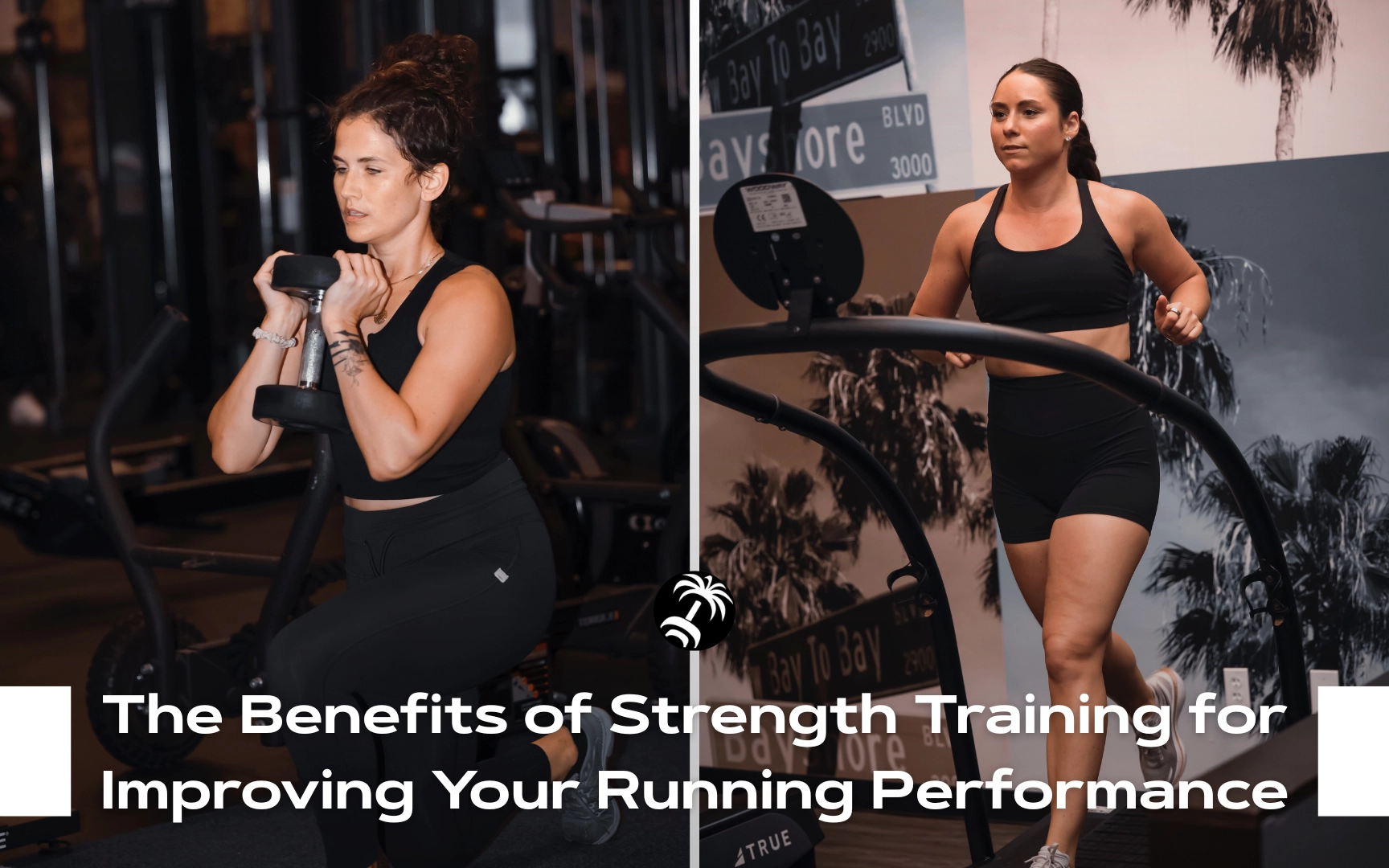
If you think running alone is the key to becoming a better runner, think again. Whether you are training for your first 5K or aiming for a marathon personal record, adding strength training to your routine can be the game changer you did not know you needed. Strength workouts help prevent injuries, improve speed, increase endurance, and boost running efficiency, giving you a clear advantage on the road, track, or trail.
In this blog, we will explore the key benefits of strength training for runners and explain how Bayshore Fit can help you create a personalized fitness plan to support your goals and keep you running stronger for longer.
Why Strength Training is Essential for Runners
To become a stronger, faster, and more resilient runner, logging miles is only part of the equation. Strength training plays a critical role in supporting your performance and longevity. It targets key muscle groups such as your legs, core, and upper body that help maintain proper alignment, absorb impact, and power each stride.
By building strength in these areas, you improve running form, reduce the risk of injury, and gain the stability needed for better speed and endurance. In short, strength training lays the foundation for smarter and more efficient running.
The Long-Term Benefits of Strength Training for Runners
Whether you are an experienced runner or just starting out, taking care of your muscles is essential. By combining strength training with your running routine, you set yourself up for lasting performance, fewer injuries, and a stronger, more balanced body. Here is how:
Improved Running Endurance
Hitting a plateau with distance or pace? You are not alone. Many runners struggle to push past their limits with running alone. Strength training helps by building muscular endurance, conditioning your body to handle repetitive stress over time. Stronger muscles provide better support across longer distances—helping you go farther without burning out.
Enhanced Speed and Power
Stronger muscles mean more explosive strides. By targeting key areas such as the glutes, hamstrings, and quads, strength training increases the force you generate with each step. This translates to quicker turnover, better acceleration, and improved race-day performance.
It also makes your body more efficient. Rather than relying solely on cardio output, you learn to distribute effort across more muscle groups, saving energy and improving stamina.
Injury Prevention and Recovery
Running is high-impact, and without proper muscular support, it can lead to overuse injuries. Strength training helps correct muscle imbalances and improves joint stability, reducing strain on common problem areas like the knees, hips, and lower back.
It is especially effective in preventing and managing injuries such as:
- Runner’s knee (patellofemoral pain syndrome)
- Shin splints
- IT band syndrome
- Plantar fasciitis
- Hamstring strains
- Achilles tendinitis
- Hip flexor pain
- Lower back pain
- Stress fractures
- Ankle sprains
When combined with proper recovery and rest, strength training supports faster healing and keeps you running strong long-term.
Top Strength Training Exercises for Runners
Strength training is not just about building muscle. It is about becoming a more efficient, injury-resistant, and powerful runner. To get the best results, it is important to focus on the muscle groups most involved in running. Here are some of the top exercises every runner should incorporate:
- Squats: Squats strengthen your quads, hamstrings, glutes and calves — all key muscle groups for increasing running power and stability.
- Lunges: By imitating running strides, lunges help correct muscle imbalances between the legs.
- Step-Ups: Step-ups, which you can complete using a box or bench, enhance single-leg stability.
- Deadlifts: This exercise builds lower back strength, which can improve form and reduce injuries.
- Core exercises: Core strength is essential for maintaining proper posture and transferring power from the upper to lower body. Common core exercises include planks, crunches and bridges.
Incorporating Strength Training into Your Running Routine
Adding strength training to your running plan does not mean sacrificing your mileage or spending hours in the gym. Just two or three 30-minute sessions a week can lead to noticeable improvements in performance, endurance, and injury prevention.
The key is balance. Too little strength work, and you may miss out on its full benefits. Too much, and you risk overtraining or muscle fatigue. The sweet spot lies in smart, strategic programming tailored to your individual goals and training load.
At Bayshore Fit, we offer customized fitness plans designed to complement your running routine, so you can build strength without losing stride. Whether you are a casual jogger or training for your next race, we help you find the right mix to stay strong, healthy, and consistent.
How Bayshore Fit’s Specialized Services Can Help Runners Improve Strength and Performance
Do you need personalized strength training in Tampa? At Bayshore Fit, we offer a wide range of classes and training services, including specialized programs geared specifically toward runners. With the help of our experienced trainers, you’ll develop a workout routine that challenges you without putting too much pressure on your muscles. Our goal is to improve both muscular endurance and running performance, resulting in a well-rounded, healthy lifestyle. Explore our memberships today!
Bayshore Fit is a premier fitness community in South Tampa offering expert-led training, group classes, and recovery services. Their blog shares practical fitness, recovery, and wellness insights to help members build strength, improve performance, and stay active for life.